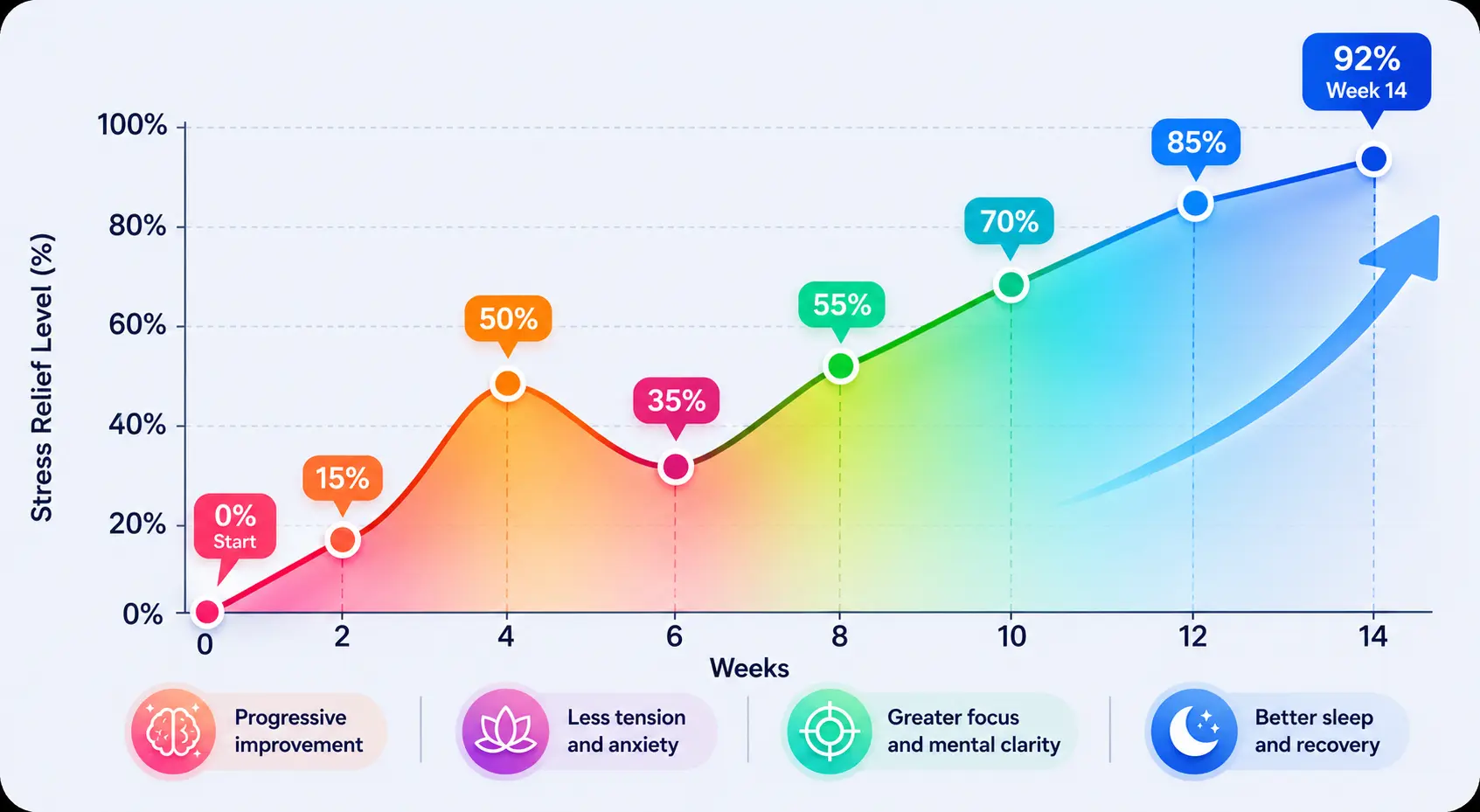
Audio Sessions to Restore Emotional Balance and Inner Calm
Audio Program Designed to Support Emotional Recovery and Deep Relaxation

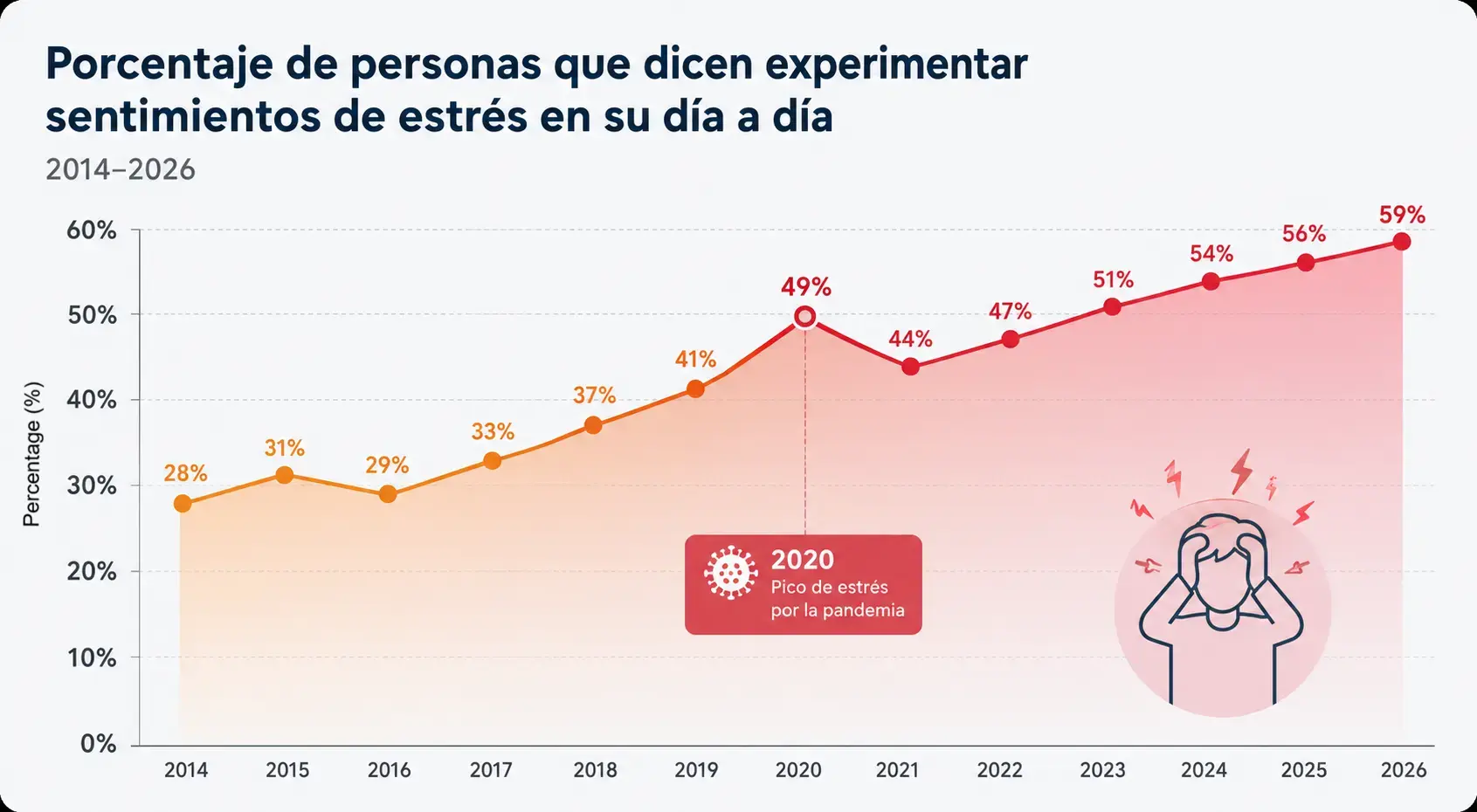
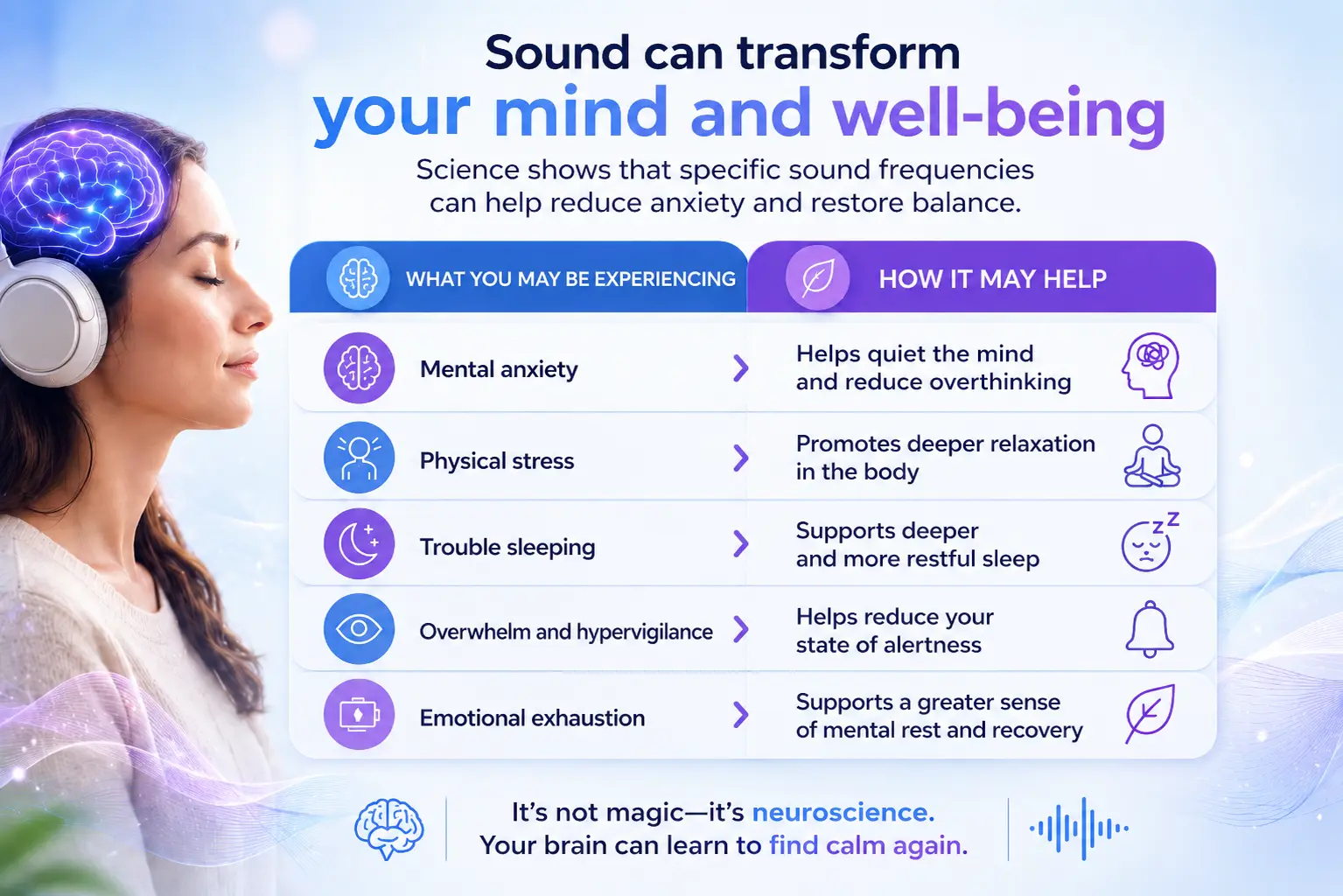
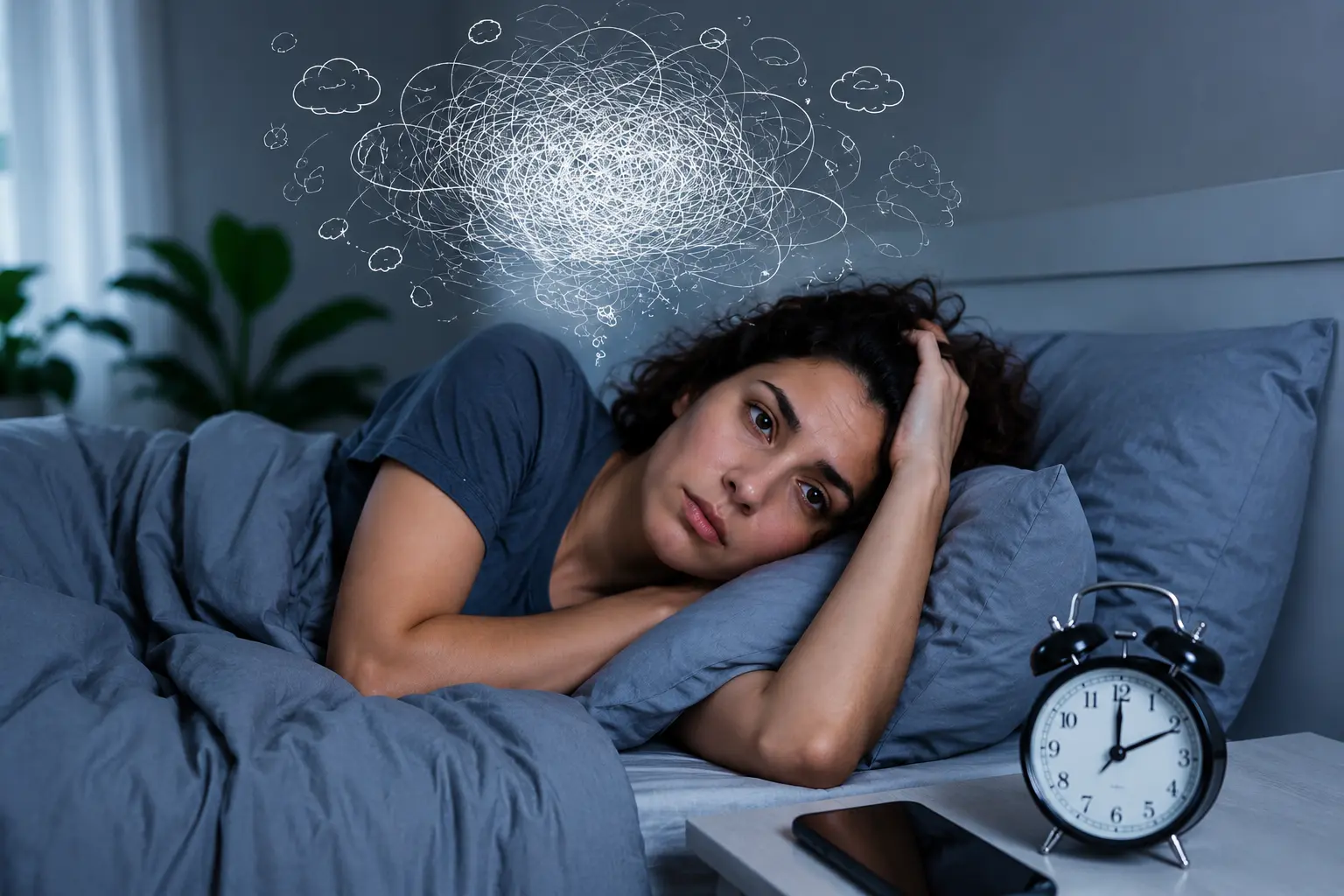
Every night, millions of people go to bed completely exhausted… yet their minds refuse to slow down. Racing thoughts, constant anxiety, physical tension, a heightened state of alertness, and the inability to fall into deep sleep have become increasingly common in modern life. However, recent findings in neuroscience and auditory stimulation are revealing something fascinating: specific sound frequencies may help the brain reduce stress, ease anxiety, and guide it into deeper states of mental relaxation.
Anxiety doesn’t just affect thoughts—it also alters how the brain and nervous system function. According to research, many people live in a constant state of hypervigilance, where the brain remains on alert even when the body is trying to rest. This can lead to:
Music + Theta Frequencies
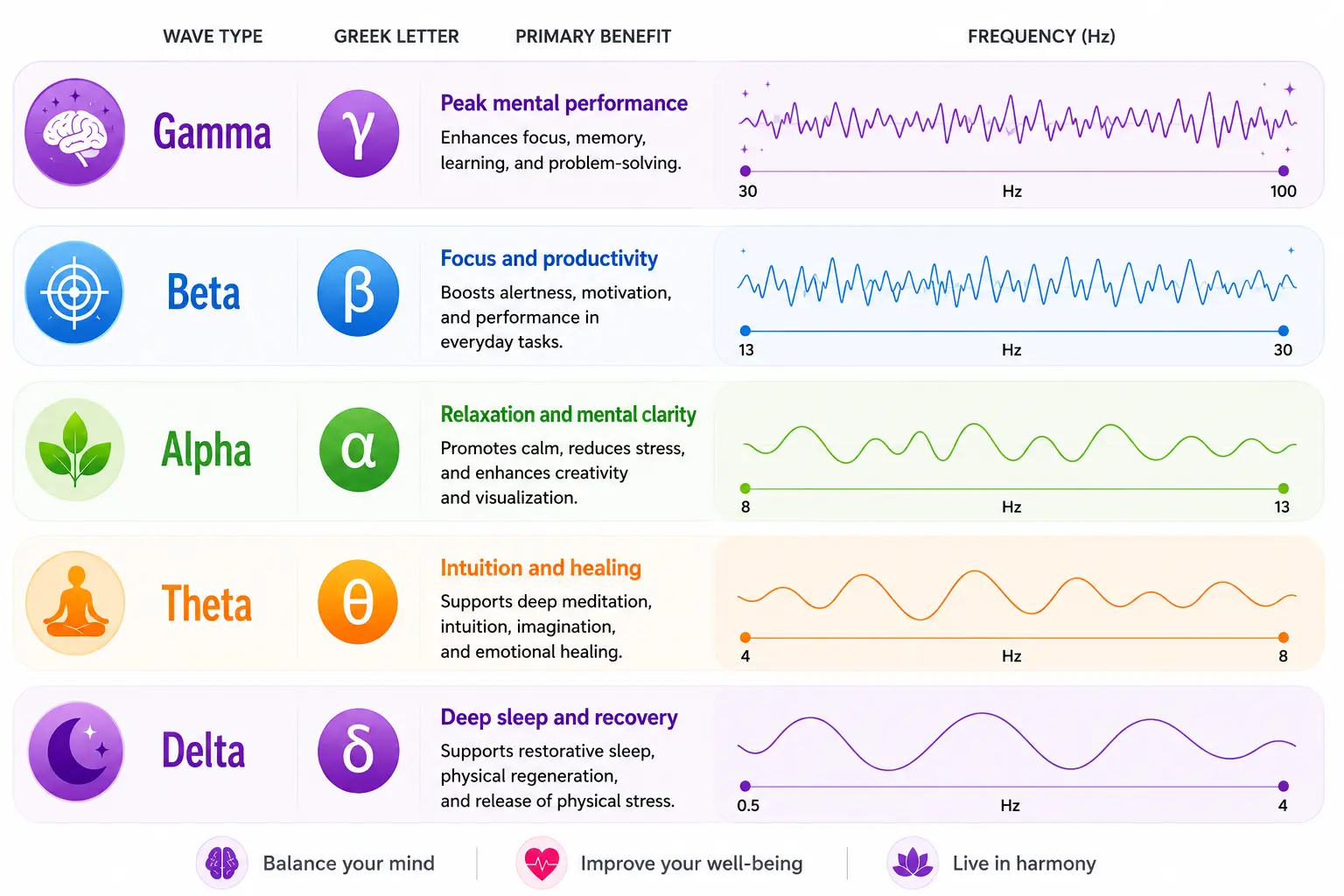
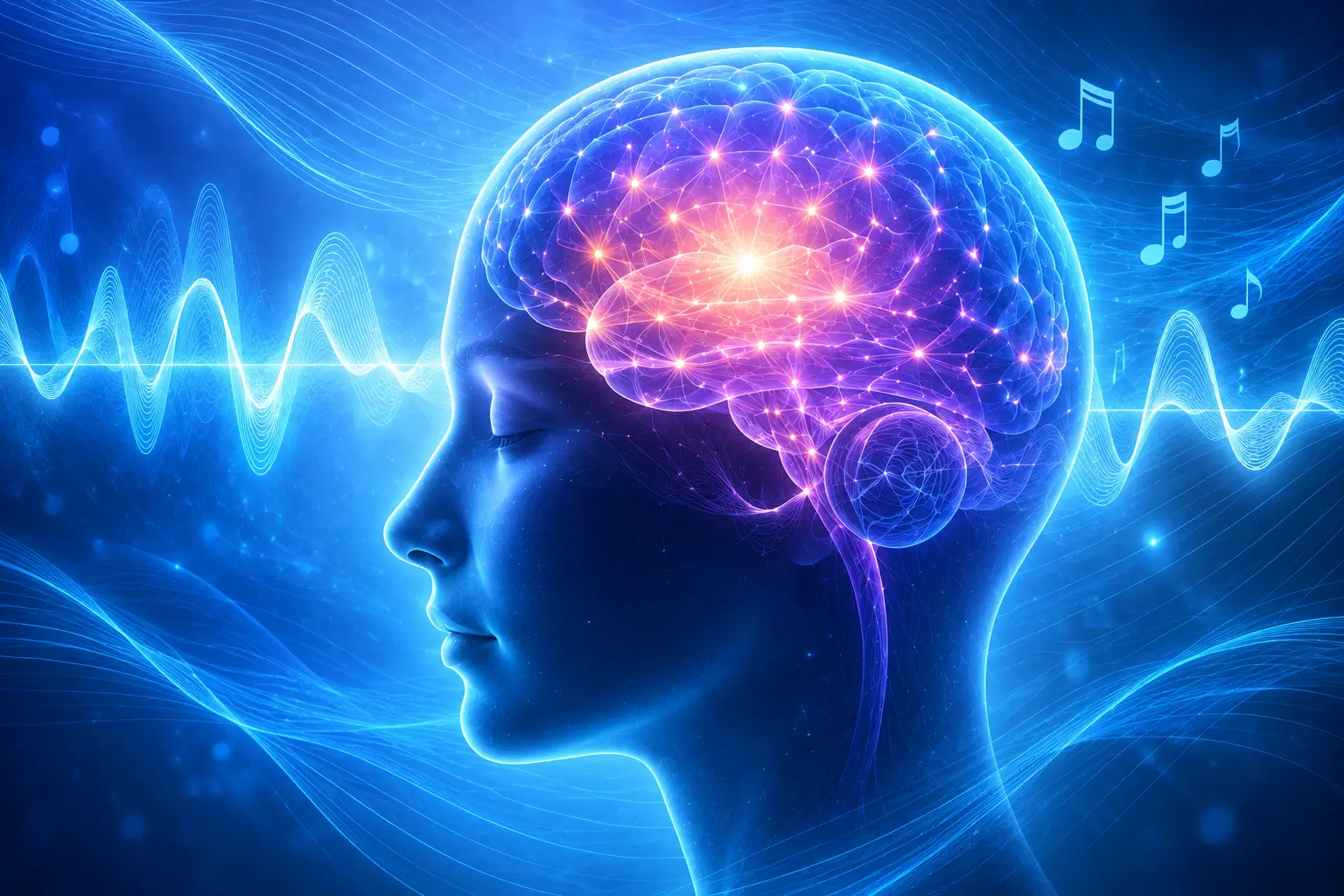
A study referenced in the research suggests that combining relaxing music with Theta auditory pulses (4–7 Hz) may significantly help reduce both physical and mental symptoms of anxiety.
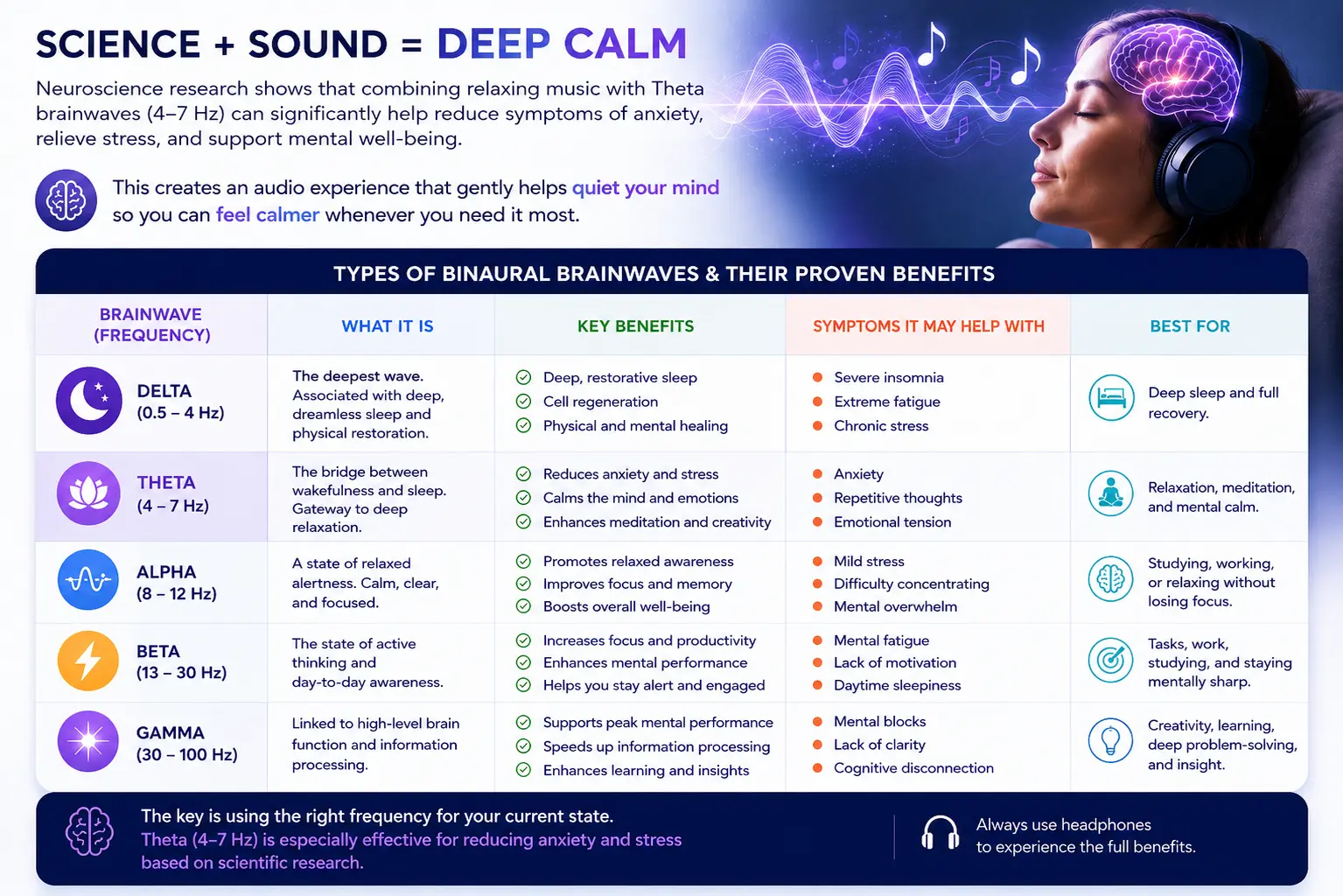
Binaural beats are a form of specialized auditory stimulation in which the brain perceives an internal frequency that is not actually present in the external sound. Unlike traditional audio, the brain actively generates this perception within the nervous system.
How to Listen Properly
What This May Support
This type of auditory stimulation is being explored for its potential to help the mind settle, reduce mental overload, and support states of relaxation that may be beneficial for stress and sleep.
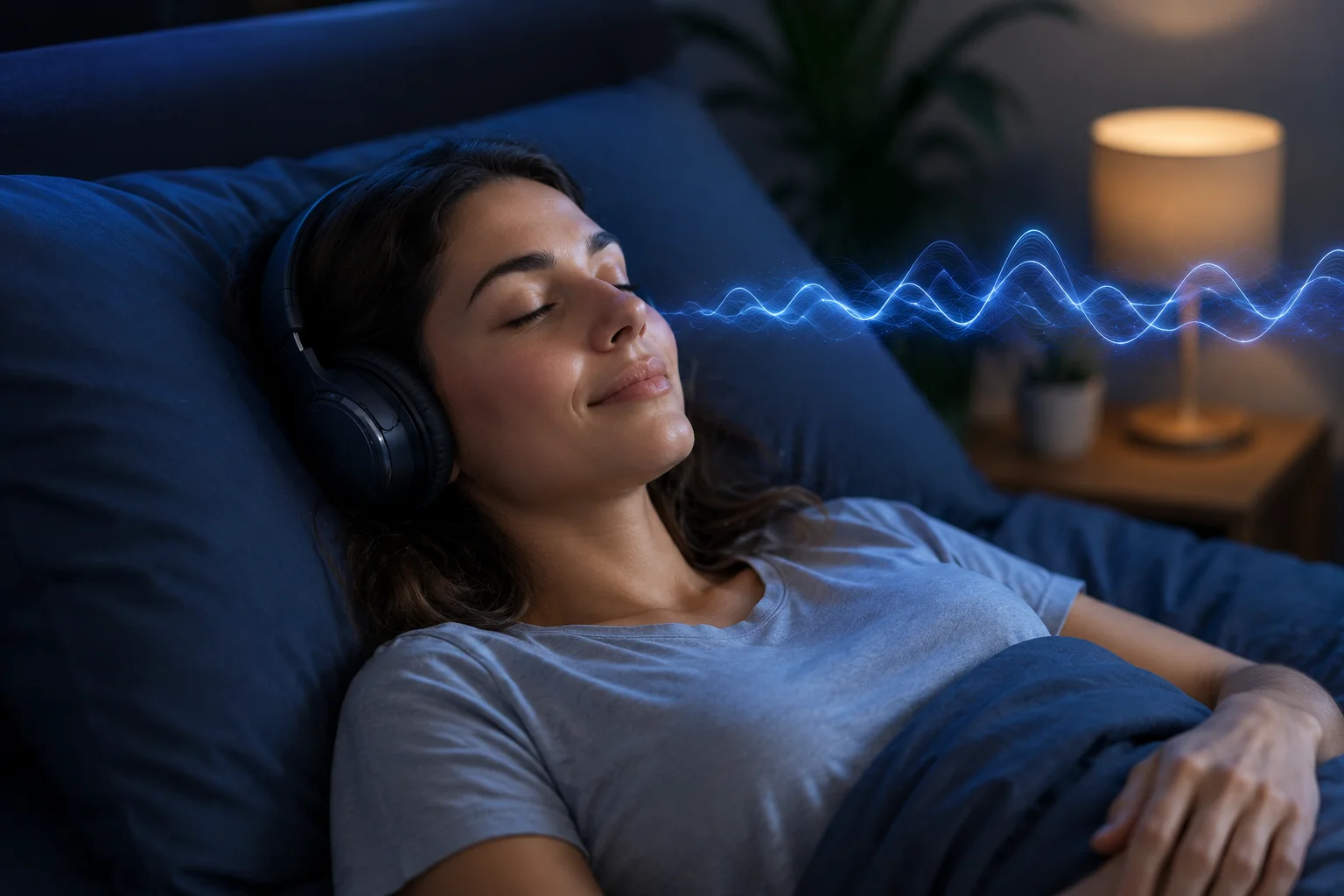
It’s Not Just About Relaxation… It’s About Re-training the Brain
One of the most interesting concepts highlighted in the research is the ISO Principle. Instead of forcing the brain into a sudden state of relaxation, this approach works by gradually matching and guiding the person’s emotional state toward calm. This is particularly relevant because individuals experiencing high levels of anxiety can sometimes feel uncomfortable when they try to relax too quickly or too deeply all at once.
Modern neuroscience suggests that it can.
Emerging research indicates that specific auditory experiences may help the brain shift into deeper states of relaxation and support emotional regulation. While they are not a replacement for medical treatment when it is required, these approaches are increasingly being explored as part of new digital wellness strategies focused on stress reduction, emotional balance, and deeper rest.
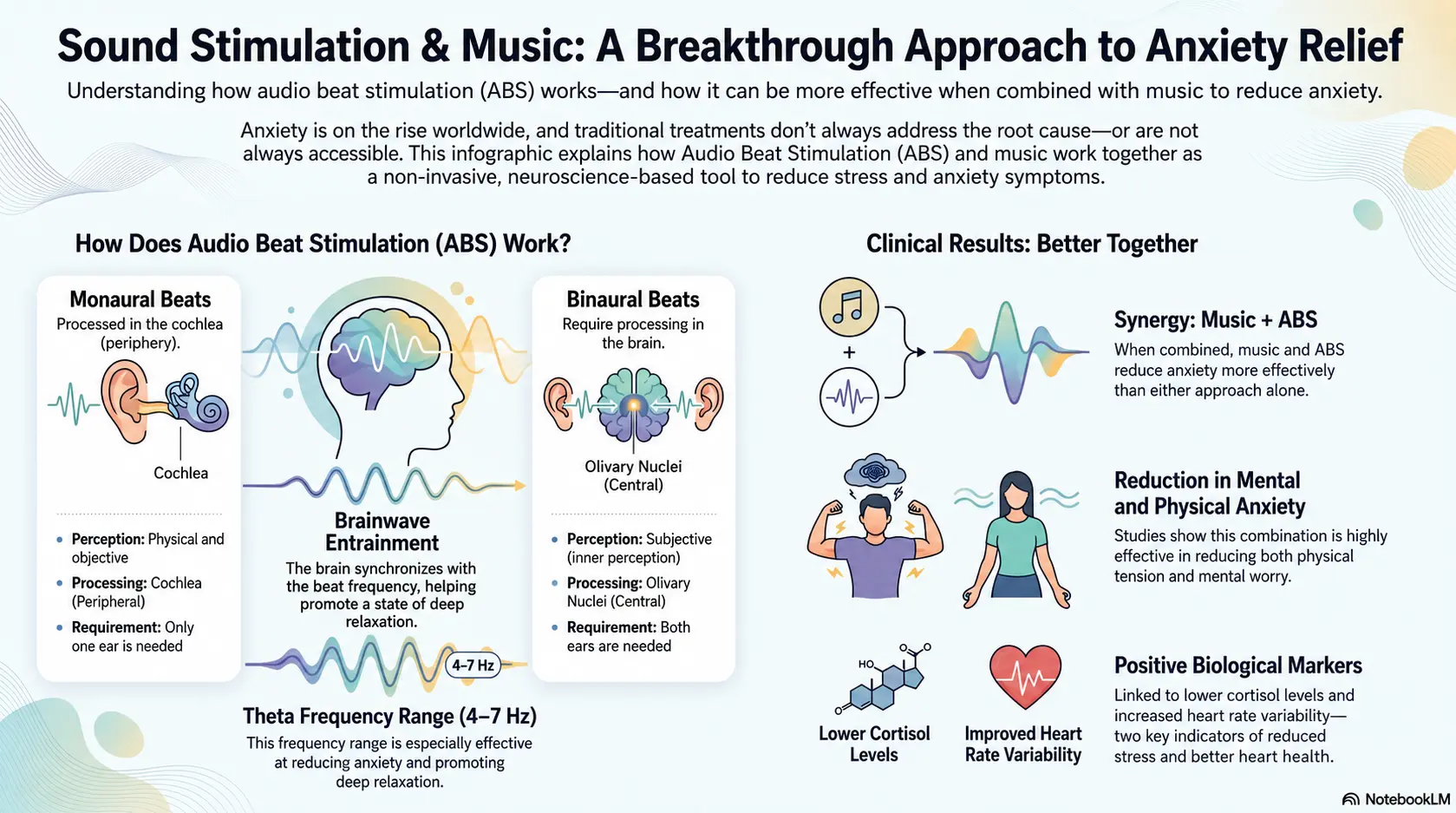
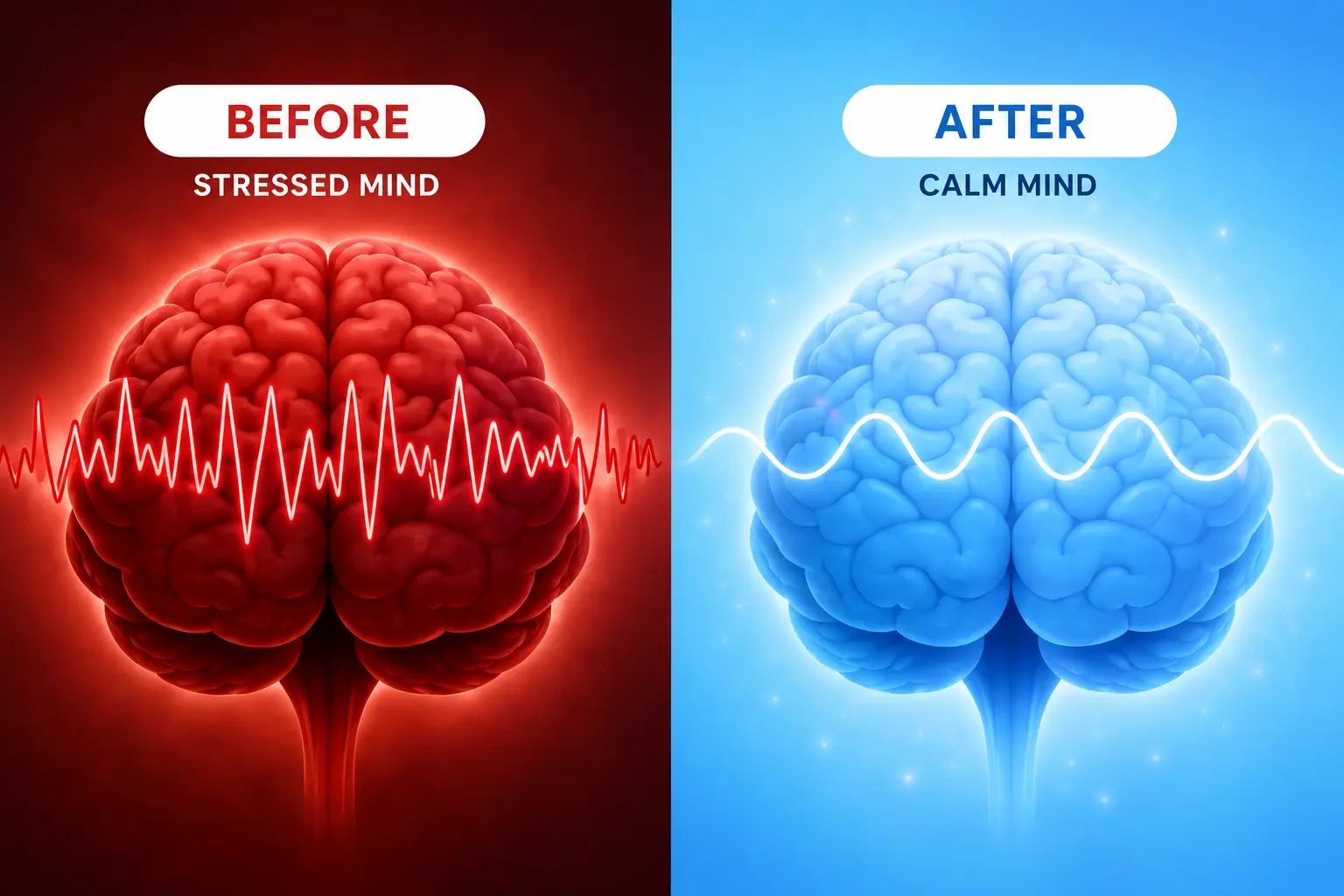
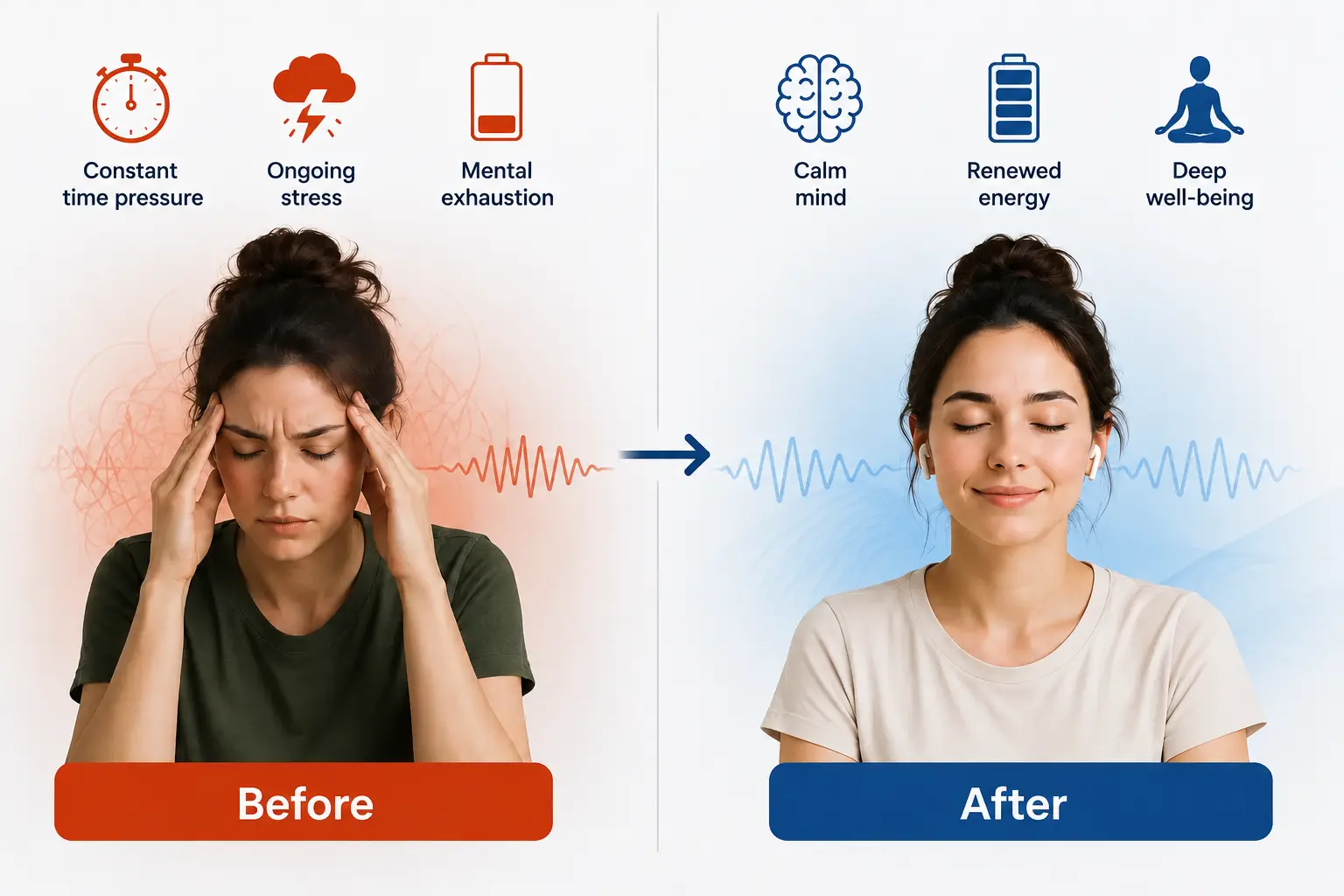
How the Brain Looks Under Mental Overload vs. Relaxation Through Sound Therapy.
Audio Sessions to Restore Emotional Balance and Inner Calm
Audio Program Designed to Support Emotional Recovery and Deep Relaxation
Stop struggling with your mind every night. Take the test to discover how a “Subconscious Reset” may help restore calm and mental balance.